Gutter Repair Hackettstown for Rusted, Cracked, and Pulling Gutters

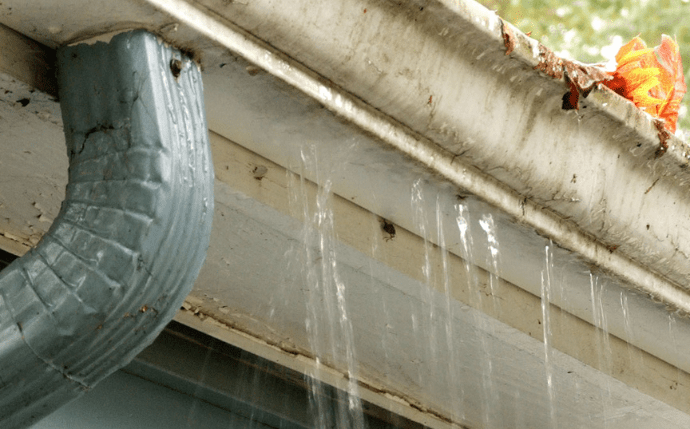
Gutters tend to get ignored until they stop doing their job. In Hackettstown, that usually means someone notices water spilling over the edge during a hard rain, mulch washing out of the flower beds, or a wet line creeping down a foundation wall. By then, the issue is rarely cosmetic. Rusted seams, cracked sections, and gutters that are pulling away from the fascia all point to the same thing: the system is failing under stress, and the house is starting to feel it.
That is why Gutter Repair Hackettstown is not a small maintenance item for local homeowners. It is part of protecting siding, trim, basements, landscaping, and the structure itself. The region gets its share of heavy downpours, winter freeze and thaw cycles, and falling leaves that can turn a minor weakness into a real repair bill. A gutter line does not have to collapse to cause damage. Sometimes a half inch of standing water in the wrong place is enough.
The good news is that most gutter problems can be corrected without replacing the entire system. The trick is knowing which issues can be repaired cleanly, which ones will keep coming back, and when a repair is just buying a little time before replacement becomes the smarter move.
What usually goes wrong in Hackettstown gutters
Local conditions matter. A gutter system in a dry climate ages differently than one in northwestern New Jersey, where moisture hangs around, debris builds up, and winter weather can stress every fastener and seam. In Hackettstown, I see the same trouble spots over and over.
Rust is common on older steel gutters, especially at seams, end caps, and around screws or spikes where protective coatings have worn off. It often starts as a few orange freckles, then grows into scaling metal, pinholes, and weak sections that flex when full of water. Once rust gets through the metal, patching may help for a while, but the clock is already ticking.
Cracks show up in several forms. Aluminum gutters can split at joints or corners after years of expansion and contraction. Vinyl can become brittle and fracture outright, especially after cold snaps. Sealant failures can mimic a crack because water escapes through the seam and runs down the face of the gutter. From the ground, everything just looks like a leak. Up close, the fix depends on whether the material is intact or actually broken.
Pulling gutters are another frequent problem. This is the gutter line that looks wavy from the driveway, or sags enough to hold water after a storm. Often the hangers have loosened from the fascia board. Sometimes the fasteners are fine, but the wood behind them has softened from years of hidden moisture. That distinction matters. Tightening hardware into rotted wood is not a repair. It is a temporary illusion.
Why a small gutter defect turns into a bigger house problem
A gutter system is simple, but the chain reaction from failure is not. Water is patient. It follows gravity and finds the weak points in everything it touches.
When gutters overflow or leak at seams, water can soak the fascia and soffit. Paint peels, wood swells, and carpenter ants or other insects find an opening. If the downspouts are not moving water far enough away, the soil along the foundation stays saturated. That can mean settlement over time, damp basement walls, moldy smells, or ice near walkways in winter.
I once looked at a house where the owner thought they had a roof leak because the interior wall near a front window kept staining. The actual problem was a separated gutter joint about six feet away. During rain, water was escaping behind the gutter, running along the fascia, then getting into the wall cavity near the window header. The repair itself was straightforward. The interior paint and trim work were not.
That is the real cost of waiting. Gutter repairs are often modest when handled early. The secondary damage is what gets expensive.
Rusted gutters, what can be saved and what cannot
Rust has a way of making everything look worse than it is, but sometimes it also hides damage that is more advanced than it appears. The key is evaluating thickness and spread.
Surface rust on steel gutters can sometimes be cleaned, treated, primed, and sealed if the base metal is still sound. This tends to work best when the issue is limited to a few spots and the gutter still holds its shape under load. If there are only tiny perforations, a high quality patch with gutter sealant and reinforcing material may buy several more seasons.
The situation changes when rust has thinned the metal across longer sections. A gutter may still be attached, but if it bends easily by hand or shows flaking along the bottom trough, repairs become less reliable. Water is heavy. A ten foot section holding even a shallow depth of rainwater and debris puts real stress on weakened metal. In that case, sectional replacement is usually more sensible than repeated patching.
There is also the issue of appearance. On some homes, especially where the front elevation is visible from the street, a repair that technically works may still leave blotchy surfaces or uneven lines. That does not bother every homeowner. Some people just want it watertight. Others care about curb appeal and want a cleaner finish. A professional should be candid about that trade off before starting.
Cracked joints and split corners are common, but the fix varies
Not every crack deserves the same approach. A minor seam separation at a joint can often be disassembled, cleaned, resealed, and resecured. That kind of repair succeeds when the gutter sections still align properly and the metal has not distorted. Good prep matters more than people realize. If old sealant, oxidation, and grime are left in place, even a premium sealant can fail early.
Corners are trickier. They collect a lot of water, and they move slightly as temperatures change. A corner patch can work if the split is short and the surrounding metal is solid. If the crack runs through stressed material or the corner is already twisted, replacement is more dependable.
Vinyl systems are a special case. They are easier to install, but they are less forgiving once they become brittle. A hairline split might accept sealant for a while, but a cracked vinyl section often continues to fail nearby. On older vinyl systems, matching color and profile can also be difficult. That can push the decision toward replacing larger runs so the system performs and looks consistent.
Pulling gutters often signal hidden fascia trouble
A gutter that is pulling away from the house is not always failing because the gutter itself is bad. Quite often, the real issue sits behind it.
Fasteners loosen for a few reasons. They may have been spaced too far apart. The original spikes may have backed out over time. Ice loads may have stressed the run. Debris may have added weight season after season. But if the fascia board is soft, split, or rotted, none of those fastening upgrades will hold long.
A proper repair begins with removal of the affected section and inspection of the substrate. If the wood behind the gutter is compromised, it should be replaced before the gutter is rehung. This is one of those moments where homeowners sometimes feel a repair quote climbed unexpectedly, but it is also where honest work matters. Reattaching a gutter over damaged fascia means the callback is already scheduled, whether anyone says it or not.
Pitch is another part of the pulling gutter problem. If the original slope was off, water may have stood in the run for years, increasing weight and accelerating hanger failure. Rehanging the gutter with correct pitch is not just about draining better. It also reduces stress on every support point.
Signs that tell you repair is still a good investment
Not every troubled gutter needs replacement. Many systems have plenty of life left if the repair is done carefully and the diagnosis is right.
Here are the situations where repair often makes sense:
- The problem is limited to one or two sections, joints, or corners.
- The fascia board is sound and the gutter profile is still straight.
- Leaks come from failed sealant or isolated small holes rather than widespread corrosion.
- The downspouts are functional, but the gutter needs rehanging or slope correction.
- The system is otherwise in decent condition and reasonably matched to the home.
That last point is worth emphasizing. If a gutter system is ten years old and has one bad corner, repair is usually straightforward. If it is thirty years old, patched three times already, and sagging in multiple places, repair starts to look less like maintenance and more like postponement.
When replacement is the smarter call
Homeowners sometimes worry that every contractor will push full replacement. In practice, replacement is justified only when the repair no longer solves the whole problem or becomes poor value.
A system that has widespread rust, repeated seam failures, multiple low spots, and aging downspouts may cost less to replace than to keep chasing leaks section by section. The same goes for gutters that are undersized for the roof area. Even well installed five inch gutters can struggle on certain roof planes during intense storms. In those cases, the issue is not just condition but capacity.
There are also aesthetic and long term considerations. Seamless aluminum gutters reduce leak points compared with older sectional systems. If a homeowner plans to paint trim, replace roofing soon, or sell within a few years, upgrading the gutter system may offer a better result than piecemeal repair.
Still, there is no universal rule. I have seen old gutters on modest homes perform well after targeted repairs and another decade of basic upkeep. I have also seen relatively new gutters fail because they were installed with poor pitch and weak fastening. Age matters, but workmanship matters more.
What a professional gutter repair should include
Good gutter work is less dramatic than roof replacement and less visible than siding, but it still requires judgment. A proper repair visit should do more than smear sealant on the obvious leak and leave.
At minimum, the contractor should evaluate the gutter run, downspouts, pitch, fasteners, joints, end caps, and the condition of the fascia where attachment occurs. They should also look at where the water is going once it exits the downspout. If discharge is pooling near the house, the gutter itself may not be the only thing that needs correction.
When I assess a troubled system, I pay close attention to stain patterns. Water leaves clues. Dark vertical streaks can point to overflow. Clean wash marks on dirty siding often show where water escapes during storms. Eroded mulch below a gutter corner usually means repeated leakage at the same spot. These field details matter because they help distinguish a primary defect from a secondary symptom.
A worthwhile repair should leave the system draining, securely attached, and tested. On a dry day, that often means running water through the line to confirm flow and check for hidden leaks. It is a simple step, but it catches mistakes before the next storm does.
The role of cleaning in repair success
Many gutter failures are not purely structural. They are maintenance related, at least at first. Packed leaves, seed pods, and shingle grit hold moisture, add weight, and block flow. That can make a serviceable gutter look damaged when what it really needs is https://www.google.com/maps?cid=3999183471512401406 cleaning and minor correction.
That said, cleaning can also reveal how bad the damage is. A gutter full of wet debris may sag because it is overloaded. Once cleaned, it might spring back enough to be rehung properly. Or the cleaning may expose pinholes, detached joints, and rotted fascia that were hidden under the mess.
In Hackettstown, tree coverage varies a lot from one property to another. Homes under mature maples or oaks may need attention more than once a year, especially if they have shallow pitch roofs or valleys feeding large amounts of debris into a single run. Regular cleaning is not glamorous, but it does extend the life of repair work. Sealants last longer, water drains faster, and fasteners are not carrying unnecessary weight.
Timing matters more than most homeowners think
There is never a perfect time for gutter work, but there are definitely bad times to wait. Late fall and winter are when neglected problems usually get more expensive. Leaves clog the system, freeze adds weight, and melting snow has nowhere to go. That is when gutters pull away, seams open up, and water starts working behind trim.
Spring is when people notice the aftermath. They see washout near the foundation, peeling paint, or basement dampness after repeated rains. Summer is often the easiest season for repairs because conditions are dry and materials cure well, but by then some of the preventable damage may already be done.
If you can hear water dripping long after rain ends, or see standing water in the gutter a day later, the system is asking for attention. Gutters are designed to move water promptly. Lingering water means pitch, blockage, or deformation is in the way.
A practical homeowner check you can do from the ground
Homeowners do not need to climb a ladder to know when to call for help. A ground level inspection catches a lot.
Use this quick check after a storm:
- Look for water spilling over the gutter edge rather than entering the downspout.
- Check for sections that appear bowed, wavy, or detached from the fascia.
- Notice any rust staining, peeling paint, or dark streaks on siding below the gutter.
- Look at the ground for trenching in mulch or soil where water is concentrating.
- Check whether downspout discharge is ending too close to the foundation.
That five minute walk around the house can tell you a surprising amount. It also helps you describe the issue clearly when scheduling service, which makes the repair visit more efficient.
How Gutter Repair Hackettstown should be approached on older homes
Older homes in Hackettstown often present a slightly different set of considerations. Fascia dimensions may not be standard. Trim details can make access tighter. Rooflines may have been altered over the years with additions, porches, or dormers that change drainage patterns. A repair on an older house should respect that context.
Sometimes the best solution is not to force modern materials into a layout that never drained well in the first place. It may involve adjusting downspout locations, adding a larger outlet, or replacing a short problematic section with a better configured run. The goal is performance first, but appearance still matters. On a traditional home, sloppy alignment stands out immediately.
There is also more value in matching existing profiles and colors when only part of the system is being repaired. A well executed sectional replacement can blend in nicely if the contractor takes time with the details. A rushed patch with mismatched components tends to look temporary because it is temporary.
Choosing repair over delay
Most homeowners are not excited to spend money on gutters. That is understandable. They are not the feature you show off to guests. But they quietly protect parts of the house that are far more expensive than the gutters themselves.
The sensible approach is to treat gutter problems according to their urgency and scope. A loose hanger or leaking joint can often be repaired quickly and affordably. Rusted sections, recurring leaks, and pulling gutters deserve a more careful evaluation because they can indicate broader failure. The longer those conditions persist, the less likely a simple fix will remain an option.
For anyone searching for Gutter Repair Hackettstown, the real objective is not just stopping a drip. It is restoring controlled drainage around the home. That means secure attachment, sound materials, correct pitch, reliable seams, and discharge that carries water away from the foundation. When those basics are handled well, gutters go back to doing what they are supposed to do, quietly and without drama, even in the middle of a hard New Jersey storm.
Just Gutters LLC
Address: 262 Main St, Hackettstown, NJ 07840
Phone number: +12013319454
FAQ About Gutter Repair Hackettstown
What is the average cost to repair gutters?
The average cost to repair gutters is about $390, with most jobs ranging from $120 to $900 depending on the damage. You can explore detailed data and estimates on Angi.
Can I repair a gutter myself?
Yes, you can easily repair most common gutter problems yourself if you are comfortable working on a ladder.
How much does it cost to repair a leaking gutter?
The average cost to repair a leaking gutter ranges from $75 to $350. Most homeowners spend around $150 to $250 to hire a professional to patch small holes or reseal leaking joints. If the damage is severe and requires replacing entire sections, the price can increase from $300 to $800.